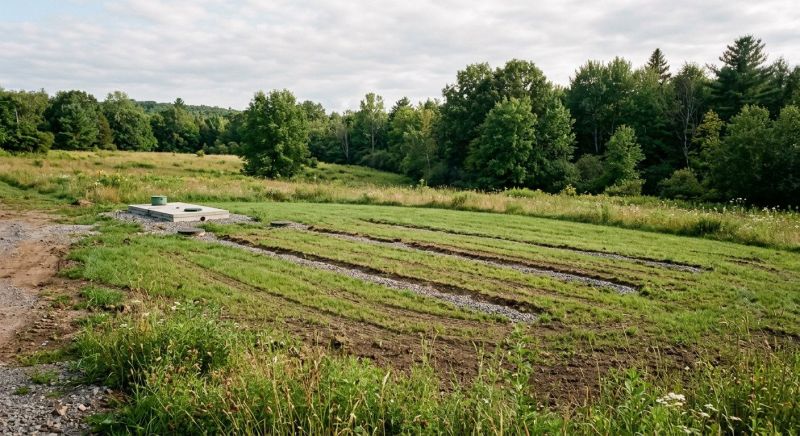
Drain Field Replacement in Austin, TX
Drain field replacement services involve removing and installing a new absorption area for a septic system to ensure proper wastewater treatment and dispersal. This service is typically required when the existing drain field has failed, often due to soil saturation, clogging, or deterioration over time. Projects may include replacing an entire drain field or repairing specific sections to restore functionality, making it essential for property owners to understand the scope of work, the condition of their current system, and any necessary permits or site considerations before requesting service.
Homeowners considering drain field replacement should be aware of factors such as the size of the property, the type of soil, and the overall condition of their septic system. It’s important to evaluate whether the existing drain field can be repaired or if a full replacement is needed, as well as understanding the potential impact on landscaping and property use during installation. Gathering this information can help ensure the replacement process proceeds smoothly and aligns with the property’s long-term wastewater management needs.
Many property owners in Austin, TX look into Drain Field Replacement for repairs, replacements, upgrades, and appearance-related improvements.
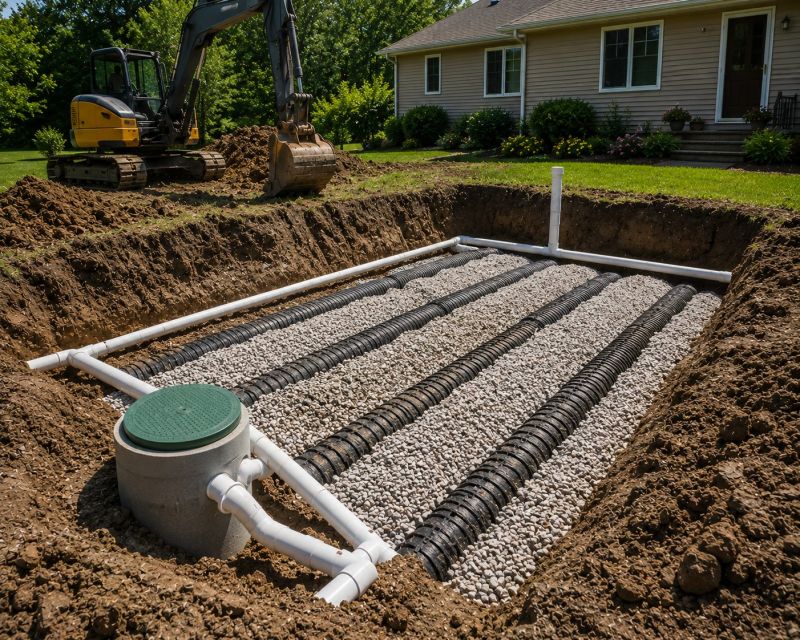
Signs You Need A Drain Field Replacement
Persistent backups or soggy areas can indicate drain field issues that require replacement.
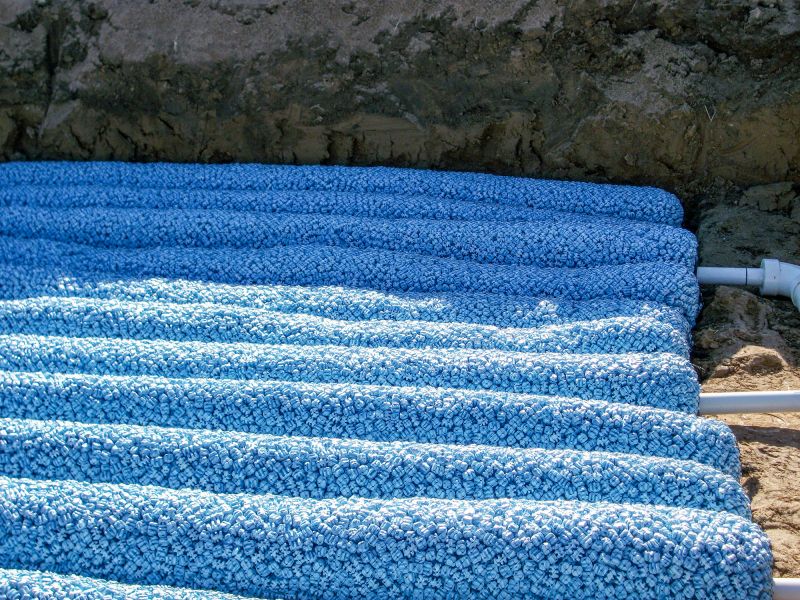
Benefits Of Replacing Your Drain Field
A new drain field can improve septic system performance and prevent costly repairs.
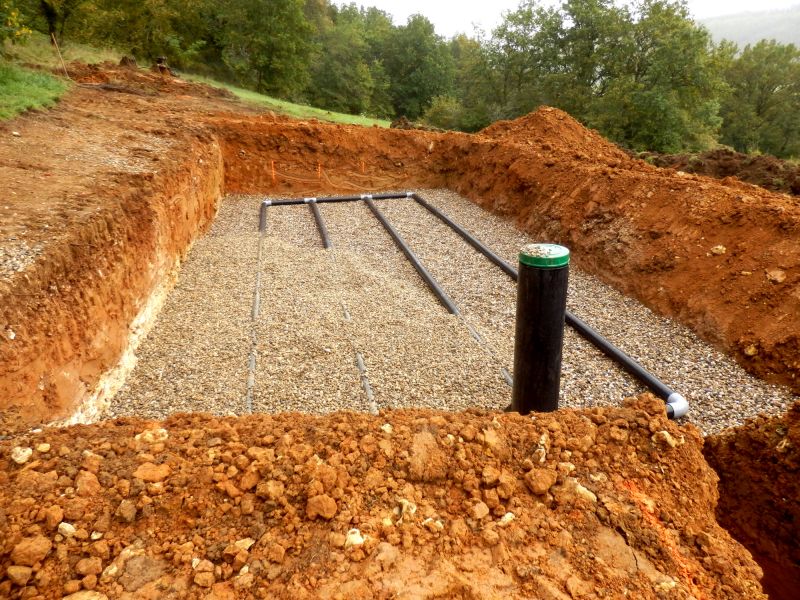
Common Drain Field Replacement Projects
Homeowners in austin often replace drain fields during septic system upgrades or property renovations.
Drain Field Replacement in Austin, TX

Drain field replacement services involve removing and installing a new absorption area for a septic system to ensure proper wastewater treatment and dispersal. This service is typically required when the existing drain field has failed, often due to soil saturation, clogging, or deterioration over time. Projects may include replacing an entire drain field or repairing specific sections to restore functionality, making it essential for property owners to understand the scope of work, the condition of their current system, and any necessary permits or site considerations before requesting service.
Homeowners considering drain field replacement should be aware of factors such as the size of the property, the type of soil, and the overall condition of their septic system. It’s important to evaluate whether the existing drain field can be repaired or if a full replacement is needed, as well as understanding the potential impact on landscaping and property use during installation. Gathering this information can help ensure the replacement process proceeds smoothly and aligns with the property’s long-term wastewater management needs.
Many property owners in Austin, TX look into Drain Field Replacement for repairs, replacements, upgrades, and appearance-related improvements.
Common Drain Field Replacement Jobs
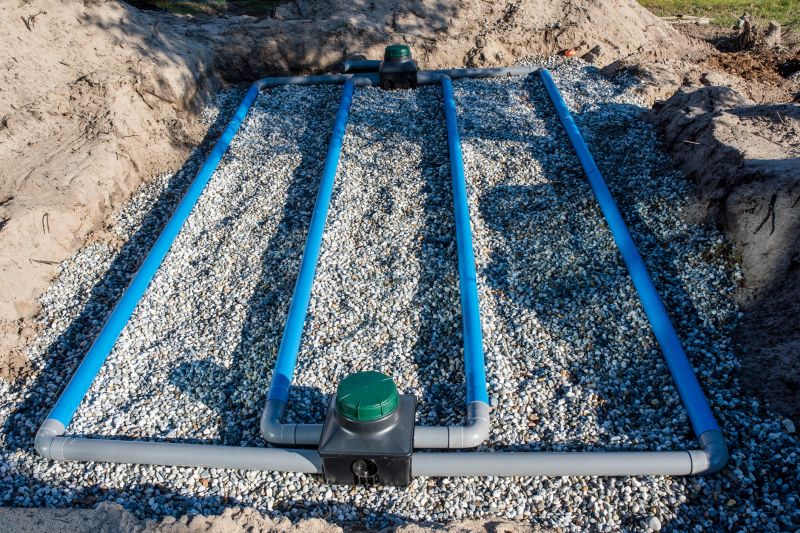
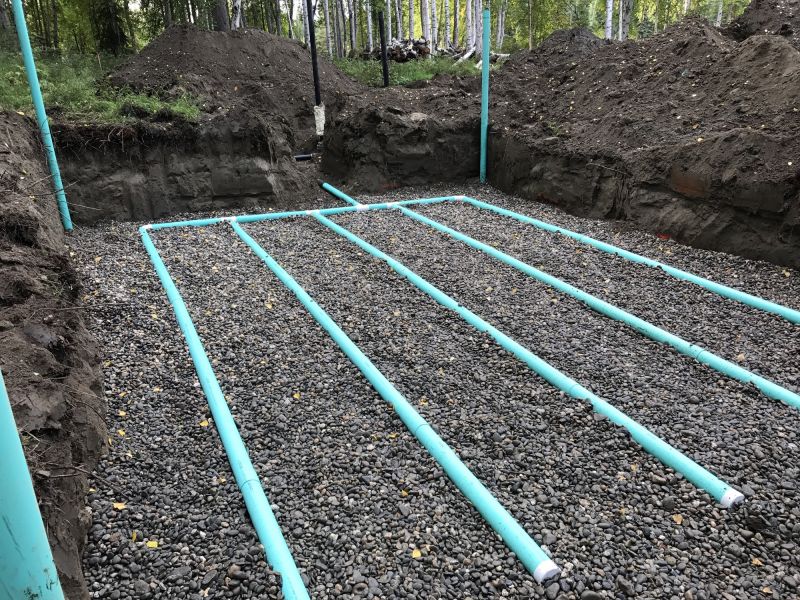
Drain field replacement involves removing and installing a new drain field to ensure proper wastewater dispersal.
Septic system upgrades include replacing aging or failing drain fields to restore system functionality.
Drain field repair addresses issues like soggy yards or foul odors caused by damaged or blocked drain lines.
Drain field installation is necessary when expanding property or replacing a failing system to meet current standards.
System inspections identify problems early and determine if drain field replacement is needed for continued reliable operation.
Property upgrades may require drain field replacement to comply with local regulations and improve system efficiency.
Drain Field Replacement Questions
What is drain field replacement? It involves removing and installing a new drain field to ensure proper wastewater dispersal from a septic system.
When is drain field replacement needed? Replacement may be necessary if the existing drain field is failing, experiencing persistent backups, or showing signs of saturation and odors.
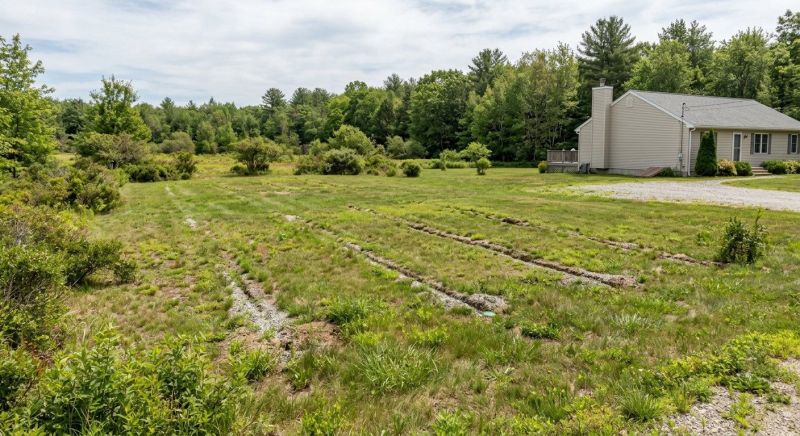
What signs indicate a drain field may need replacement? Common signs include standing water, foul smells, lush grass over the area, or slow draining fixtures.
What should property owners consider before replacing a drain field? It’s important to evaluate the site conditions, soil type, and system history to determine the best approach for replacement.
Request Drain Field Replacement in Austin, TX
Use the quote form on this page to share the basics of your project and request more information for the type of work you need.