Drain Field Replacement in Denver, CO
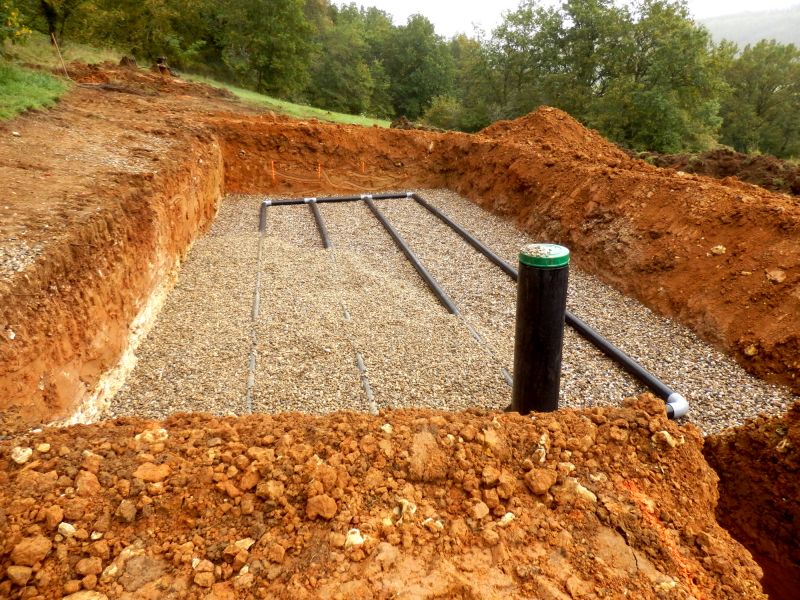
Drain field replacement services involve removing and installing a new drain field system to ensure proper wastewater disposal for homes and properties. This process is typically necessary when the existing drain field has failed, become clogged, or is no longer functioning efficiently. Projects can range from replacing a small section of the drain field to complete system overhauls, often prompted by issues such as slow drains, sewage backups, or persistent odors. Property owners should understand that this service requires careful assessment of soil conditions, system design, and the extent of the damage to determine the appropriate replacement approach.
Before requesting drain field replacement, property owners usually want to know about the signs indicating a failing system, the scope of work involved, and how the new installation will integrate with existing plumbing. It’s also helpful to understand any potential disruptions to daily routines during the project and what preparations may be needed. Clear communication about the process can help ensure that the new drain field meets the property’s needs and functions reliably for years to come.
Many property owners in Denver, CO look into Drain Field Replacement for repairs, replacements, upgrades, and appearance-related improvements.
Signs You Need A Drain Field Replacement
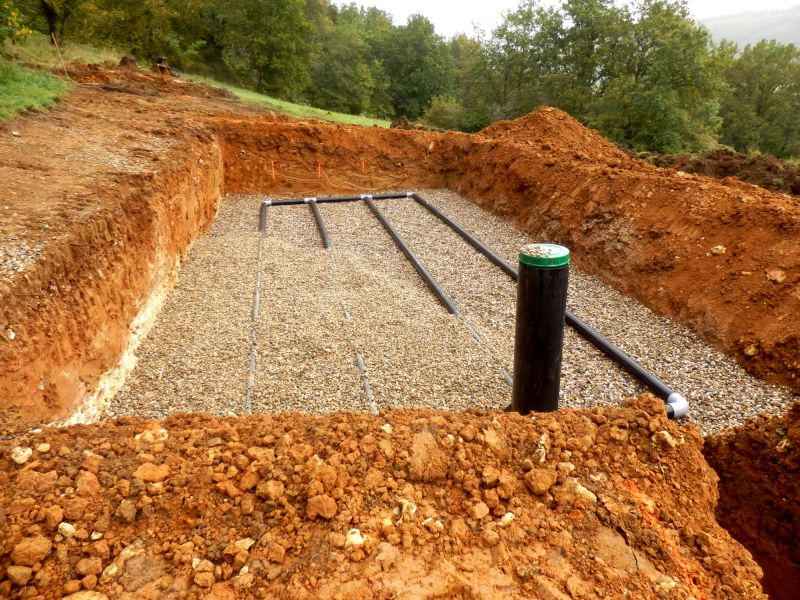
Persistent drainage issues or sewage backups may indicate a failing drain field.
What To Expect During Replacement
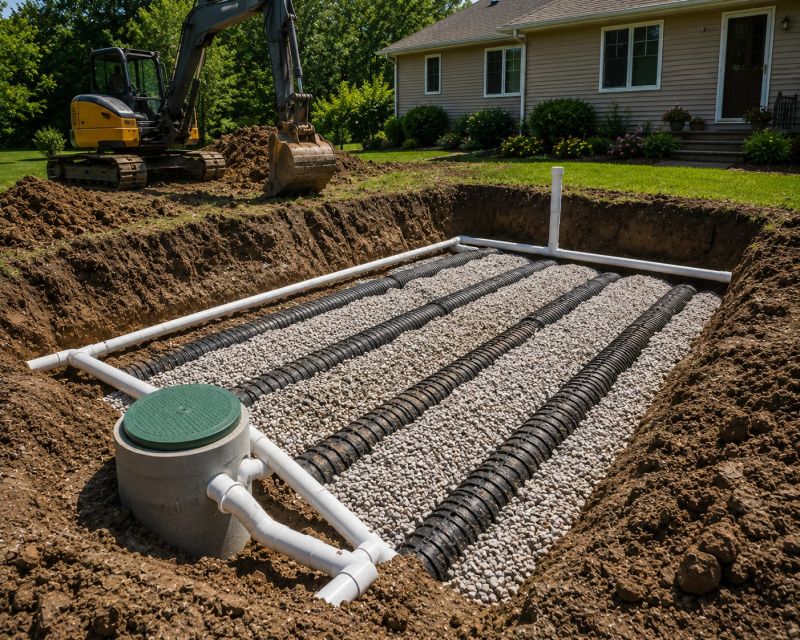
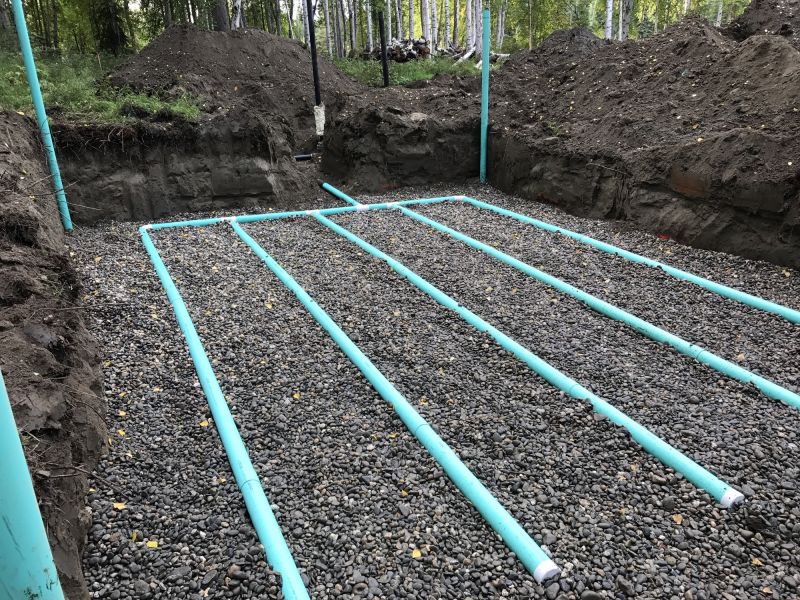
The process involves excavating the old system and installing new drain lines tailored to your property.
Benefits Of A New Drain Field
A properly replaced drain field ensures efficient wastewater management and protects property value in denver, co.
Drain Field Replacement in Denver, CO

Drain field replacement services involve removing and installing a new drain field system to ensure proper wastewater disposal for homes and properties. This process is typically necessary when the existing drain field has failed, become clogged, or is no longer functioning efficiently. Projects can range from replacing a small section of the drain field to complete system overhauls, often prompted by issues such as slow drains, sewage backups, or persistent odors. Property owners should understand that this service requires careful assessment of soil conditions, system design, and the extent of the damage to determine the appropriate replacement approach.
Before requesting drain field replacement, property owners usually want to know about the signs indicating a failing system, the scope of work involved, and how the new installation will integrate with existing plumbing. It’s also helpful to understand any potential disruptions to daily routines during the project and what preparations may be needed. Clear communication about the process can help ensure that the new drain field meets the property’s needs and functions reliably for years to come.
Many property owners in Denver, CO look into Drain Field Replacement for repairs, replacements, upgrades, and appearance-related improvements.
Common Drain Field Replacement Jobs
Drain field replacement involves removing and installing new drain lines to ensure proper wastewater dispersal.
Septic system upgrades include replacing aging or damaged drain fields to restore system functionality.
Drain field repair addresses issues like clogs, leaks, or failure in existing drain lines.
System expansion involves enlarging or modifying drain fields to accommodate property growth or increased usage.
Drain field troubleshooting helps identify causes of system failure or inefficiency before replacement.
New drain field installation is essential when existing systems are beyond repair or no longer meet property needs.
Drain Field Replacement Questions
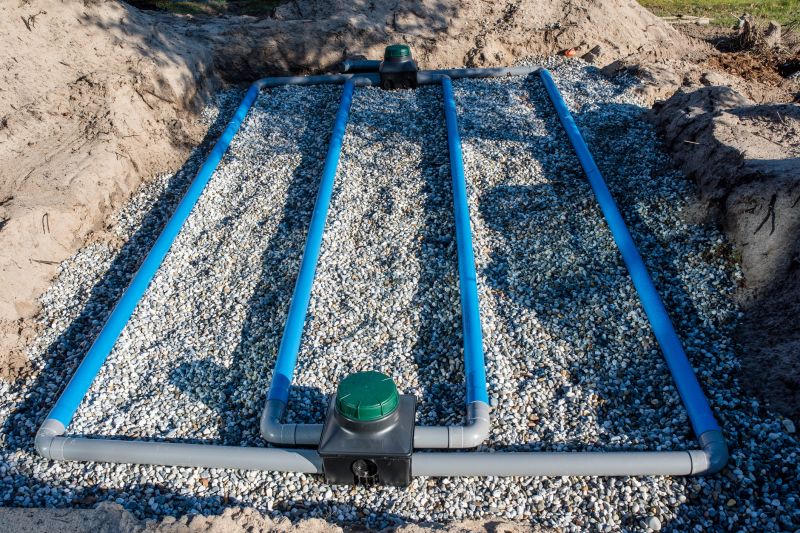
What is drain field replacement? It involves removing and installing a new drain field system to ensure proper wastewater dispersal from a septic system.
When is drain field replacement needed? Replacement is typically necessary if the existing drain field is failing, clogged, or causing sewage backups.
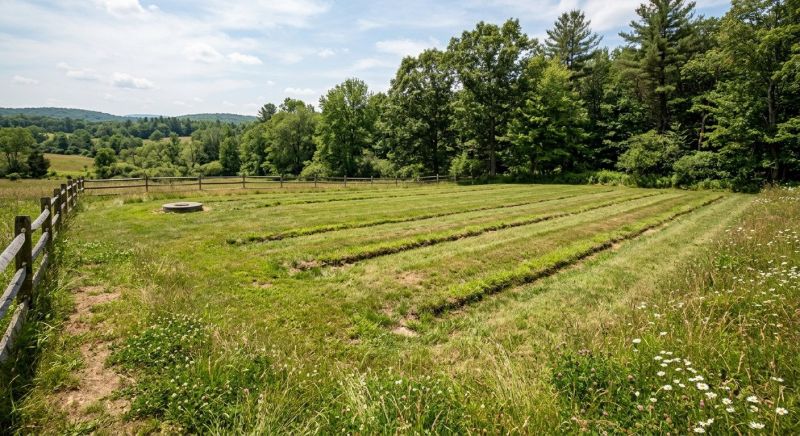
What signs indicate a drain field may need replacement? Common signs include persistent odors, soggy areas in the yard, or slow draining fixtures.
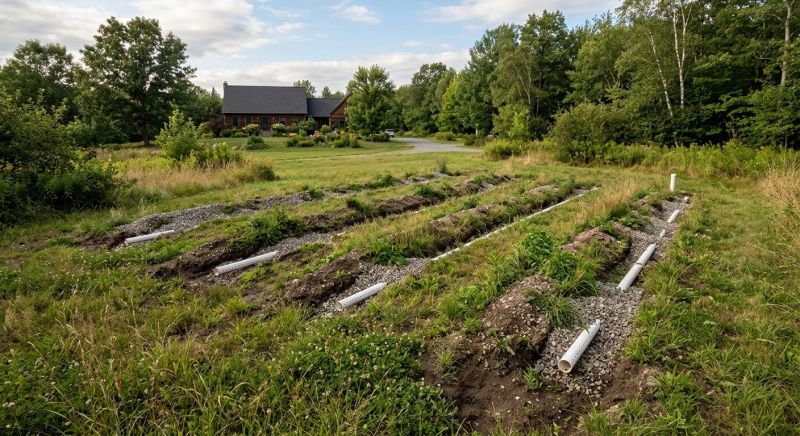
How does the replacement process work? The process involves excavating the old drain field, preparing the site, and installing a new system designed for the property’s needs.
Request Drain Field Replacement in Denver, CO
Use the quote form on this page to share the basics of your project and request more information for the type of work you need.